




Molloy Series by Samuel Beckett
Molloy #1

Molloy
Samuel Beckett
Molloy is Samuel Beckett’s most celebrated novel, and his first published work to be written in French, ushering in a period of concentrated creativity in the late 1940s and early 1950s which included the companion novels Malone Dies and The Unnamable .
The tale of Molloy, old and ill, remembering and forgetting, scarcely human, begets a double plot involving the spinsterish Moran, a private detective sent to search him out, whose own deterioration during the quest shadows that of the hero.
Above all, the eponymous narrator of Molloy calls into being a world and its tribulations at the end of a pencil, with finicking and irresistible certainty, while trading larger uncertainties with the reader.
Read online
Molloy #2

Malone Dies
Samuel Beckett
Written and published in French in 1951, and in Samuel Beckett’s English translation in 1956, Malone Dies is the second of his immediate post-war novels, written during what Beckett later referred to as ‘the siege in the room’.
‘Malone’, writes Malone, ‘is what I am called now.’ On his deathbed, whittling away the time with stories and revisions of stories, the octogenarian Malone's account of his condition is contradictory and intermittent, shifting with the vagaries of the passing days: without mellowness, without elegiacs; wittier, jauntier, and capable of darker rages than his precursor Molloy. Malone promises silence, but as a storyteller he delivers irresistibly more.
Read online
Molloy #3
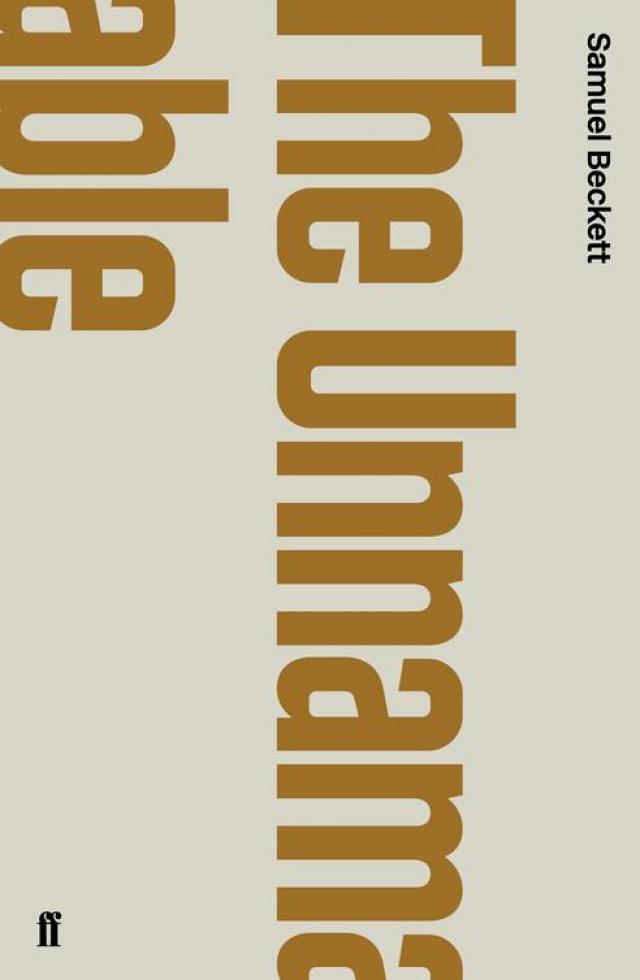
Molloy, Malone Dies, the Unnamable
Samuel Beckett
The first novel of Samuel Beckett's mordant and exhilirating midcentury trilogy intoduces us to Molloy, who has been mysteriously incarcerated, and who subsequently escapes to go discover the whereabouts of his mother. In the latter part of this curious masterwork, a certain Jacques Moran is deputized by anonymous authorities to search for the aforementioned Molloy. In the trilogy's second novel, Malone, who might or might not be Molloy himself, addresses us with his ruminations while in the act of dying. The third novel consists of the fragmented monologue - delivered, like the monologues of the previous novels, in a mournful rhetoric that possesses the utmost splendor and beauty - of what might or might not an armless and legless creature living in an urn outside an eating house. Taken together, these three novels represent the high-water mark of the literary movement we call Modernism. Within their linguistic terrain, where stories are taken up, broken off, and taken up again, where voices rise and crumble and are resurrected, we can discern the essential lineaments of our modern condition, and encounter an awesome vision, tragic yet always compelling and always mysteriously invigorating, of consciousness trapped and struggling inside the boundaries of nature.
Read online